
spring 1962
Anime Season
Loading...
spring 1962
Loading...

This is a work by Toei Animation Co., Ltd. with screenplay by Tezuka Osamu in cooperation with novelist Kita Morio. Sinbad and a boy, Ali, are stowaways on the transport ship "Boulder," but they win t...


The original rendition of the Japanese version of the 1876 song My Grandfather's Clock by American composer and songwriter Henry Clay Work that was broadcast on NHK's Minna no Uta program. It was perf...
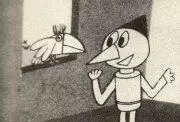
Music video for the song Pinocchio no Uta by Toshie Kusunoki that was featured on NHK's Minna no Uta program. It is considered to be lost media....
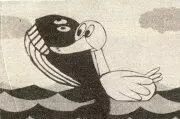
Music video for the song Ki no Ii Ahiru by Bonny Jacks that was featured on NHK's Minna no Uta program. It is considered to be lost media....

Music video for the song Moshi Boku ga by Teruo Hata that was featured on NHK's Minna no Uta program. It is considered to be lost media....
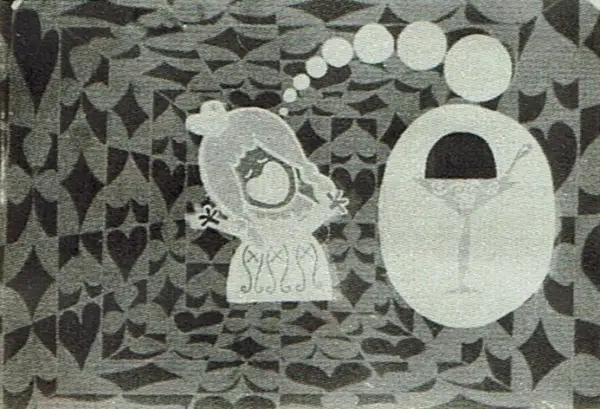
Music video for the song Ice Cream no Uta by Teruo Hata and Fusako Amachi that was featured on NHK's Minna no Uta program. It is considered to be lost media....